Stars: ★★★★★
One Word Review: Raw
coming soon!
 >
>
Stars: ★★★★★
One Word Review: Raw
coming soon!
Stars: ★★★☆☆
One Word Review: Antithesis
coming soon!
Stars:★★★☆☆
One Word Review: Troubling
I’m calling this book troubling for two reasons: 1) The horror definitely kept me up at night (in a good way) and 2) The overuse of sexual assault for shock value also kept me up at night (in a bad way) I’m completely 50/50 on this book, so I’ll start with the positives. The medieval, biblical setting for this story was engaging and interesting, and I will read any book set during the Black Death. I’m not USUALLY a horror book girl, but the traditional horror elements of this were the perfect amount of scary for me. The writing is very atmospheric and refreshingly simple. I picked up this book thinking it would be a scary-fun read, and it was…apart from the immense amount of references to rape. When it comes to fantasy horror and the inclusion of sexual assault, I’ve found it almost never works. In almost every chapter, there were references to or depictions of sexual assault. Frequently it had to do with children. It came off as an attempt at shock value done in poor taste. While sexual assault can absolutely be touched on (especially in a medieval, apocalyptic setting) the sheer frequency of it in this story did not add anything of real value to the plot or character arcs. I think that the plot of this story is much stronger than the characters. I enjoyed the priest character, and truly wanted to enjoy the adoptive father-daughter relationship between Thomas and Delphine, but overall the relationships and personalities of these characters often didn’t pan out as well as I'd hoped.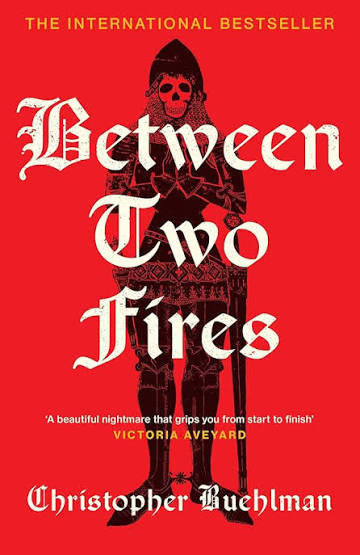
Stars: ★★★★★
One Word Review: Brilliant!
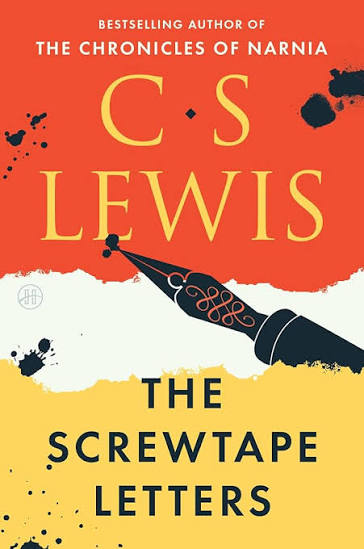
This is actually a re-read...I read this book in college for a theology class on angelology and demonology. I decided to pick it back up again after talking to my uncle about it. I read Mere Christianity in high school, but had never heard of Screwtape letters until seeing it on my syllabus. The two books are quite dissimilar, apart from being Christian literature. The Screwtape Letters is an epistolary novel about a demon, Wormwood, corrupting a human ‘patient.’ It is a one-sided correspondence: all the letters in the novel are actually from his uncle, Screwtape, who is a more experienced, senior demon. The Screwtape Letters is probably one of my favorite satirical novels, and I think that Lewis’ method of discussing sin and virtues from the point of view of a demon is fantastic. It mixes absurd, exaggerated humor with introspective, thought provoking moral questions. Demons in this story are not quite as spooky as we think, they are cogs in a corporate machine that mirrors the human world. And they’re not simply evil, they have distasteful but recognizable human traits like insecurity, pettiness, and ambition. I’d recommend this book to both Christians and non-christians, as I think both will find it funny and quite introspective on human vulnerability and strengths.
Stars:★★★☆☆
One Word Review: immersive
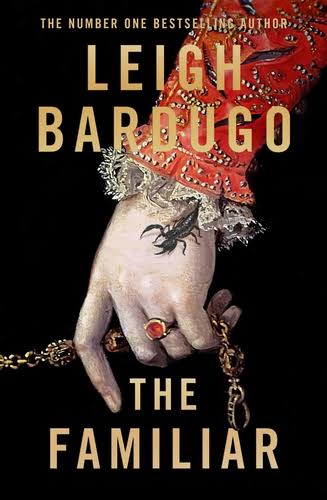
This is a slow-paced historical fantasy book with compelling historical research. This book definitely had more romance in it than I had expected, but the historical fiction aspect of the novel (16th century Madrid) was quite fun and compelling. I love when historical fiction gives us a window into daily life and the chores of its characters. At times some of the metaphors/imagery felt quite heavy-handed (the pomegranates!!!), but Bardugo's lyrical voice and vivid world building was genuinely fun to experience. Would reccomend as a great beach read.
Stars:★★★★☆
One Word Review: Surreal
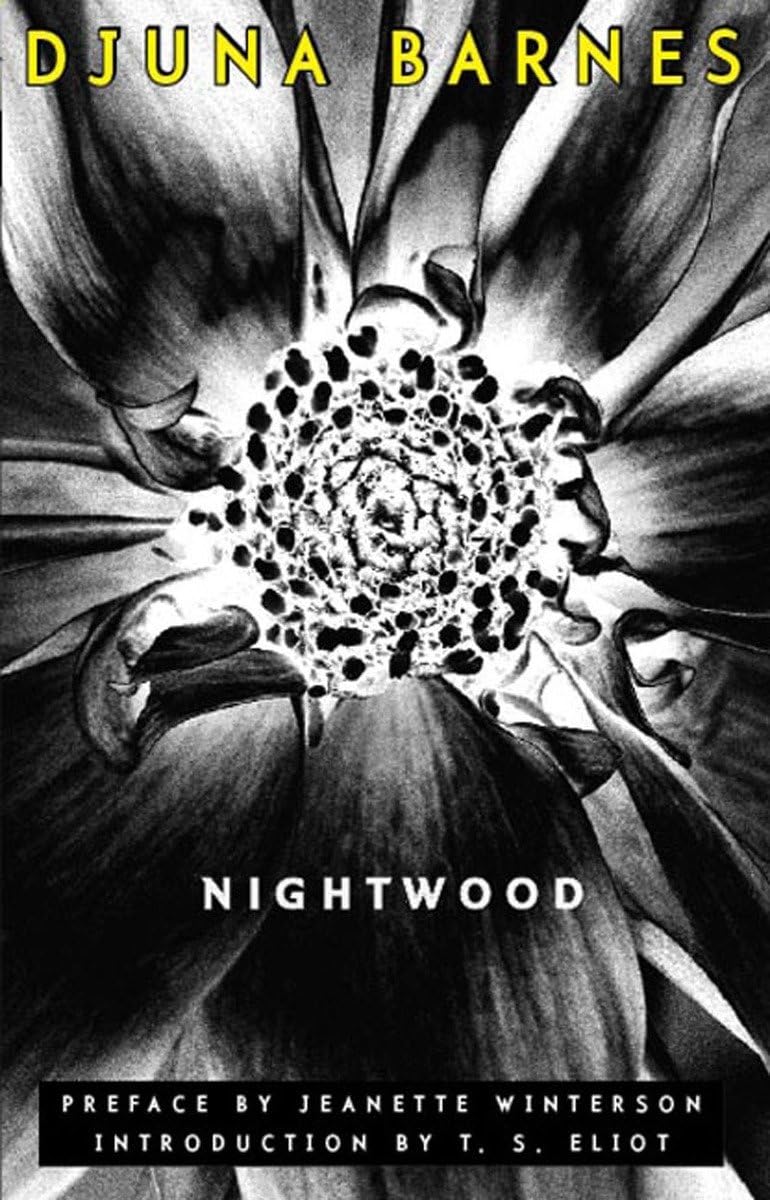
This might be the densest yet shortest book I've ever read. T.S. Eliot's foreword advised readers to read the book more than once because each time will be different. Having only read it once, I can say that Nightwood is an elusive novella that is equal parts beautiful and odd. It sticks with you long after finishing and yet you're not entirely sure you know what it was about. Jeanette Winterson said it best: "Nightwood is itself. It is its own created world, exotic and strange, and reading it is like drinking wine with a pearl dissolving in the glass. You have taken in more than you know, and it will go on doing its work. From now on, a part of you is pearl-lined."
Stars: ★★★★★
One Word Review: Nostalgic
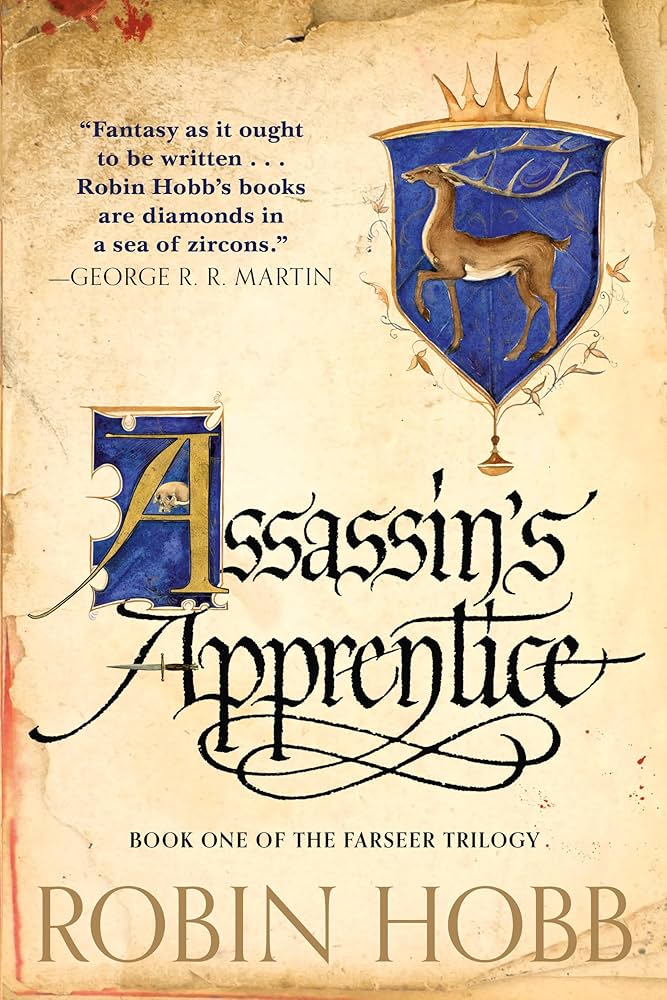
I'm calling this book nostalgic not because I've read it before but because it reminds me of how fantasy felt when I was a kid. If you like slow paced, character driven stories with minimal magic and very detailed descriptions of chores you'll love it. If you don't like those things, you will hate it.
Stars:★★★★☆
One Word Review: Decadent
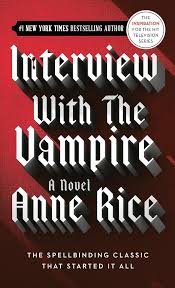
Anne Rice knows how to set a mood. Essentially we have some messy, gothic, dramatic vampires traveling around the world and making sure to bring all their problems with them. Once you get past the fantasy element of it, the horror is quite psychological. Rice frames immortality as a kind of exile from time rather than a conquering of it. The shifting time periods lend the novel a feeling of drifting through history like the undead would. The plot loses momentum multiple times throughout the story, but the characters are interesting enough to pull you through.
Stars:★★☆☆☆
One Word Review: Lyrical
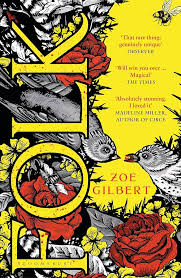
This collection of short stories is connected by location: a remote island called Neverness. Gilbert's language is poetic, and some of the individual stories stand out (like my personal favorite "FishSkin, Hareskin"). However, while the writing is beautiful, I felt that several of the stories fall flat. The quick pace and vague world-building work at first, but the reader's feeling of confusion is never truly alleviated. At times, the book feels quite disjointed. I would be very interested in reading more from Gilbert, but this wasn't my favorite.
Stars:★★★☆☆
One Word Review: Bookish
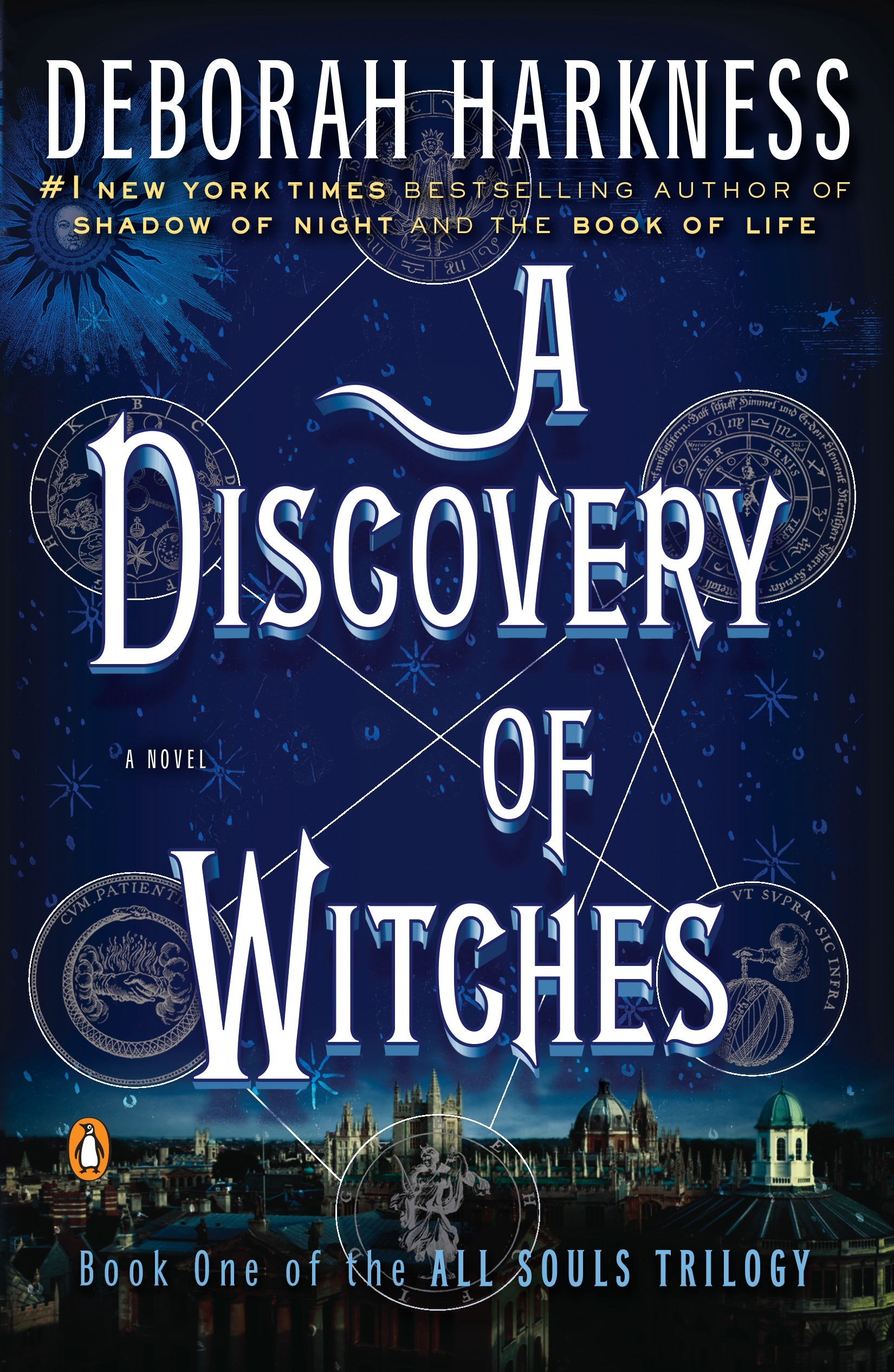
I really enjoyed the book-history side of this novel and the setting of Oxford's Bodleian Library. I might be a bit biased because this series focuses a lot of early modern English history and literature, but I thought the world building was super fun! Before reading, I was a bit worried that this book was a "Twilight for Adults" as a reviewer on Goodreads put it, but can confirm this was not the case. The main similiarity between these two books in the existance of vampires. I paticularly liked that the vampires in this story were often thousands of years old, rather than hundreds. (Not a diss to Twilight, but I we already have that and I was looking for something fresh). Still quite romance heavy though. I found the characters very compelling (especially Matthew's mother, Ysabeau) and the magical world (mostly) comprehensible. The vampires and witches made sense in Harkness' world, but I'm still quite unclear on what a demon is, or what they truly have to do with the plot. Good read if you want something between dark academia and paranormal fantasy.
Stars:★★★☆☆
One Word Review: parable
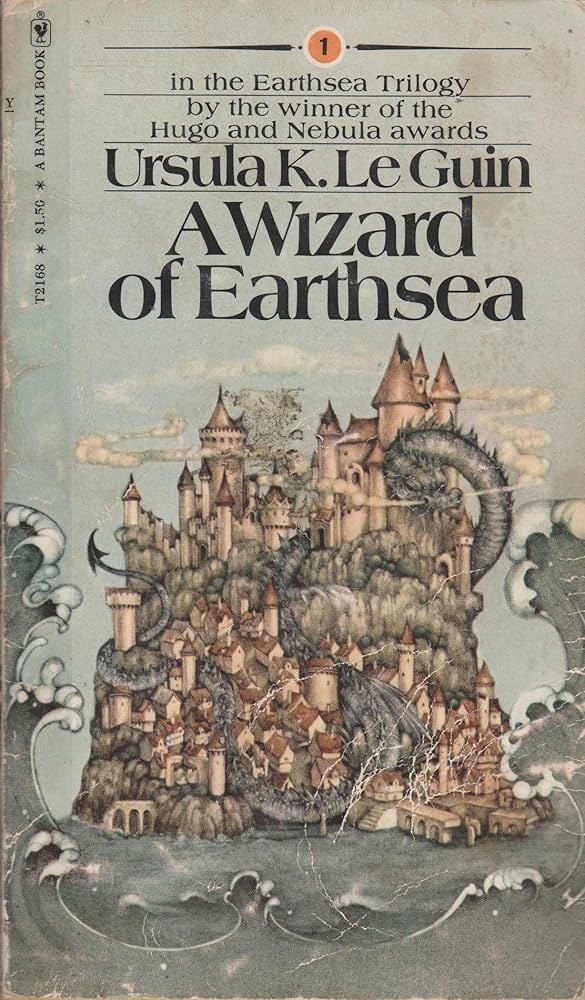
To be honest, I had a hard time getting through this little book. I read it quite soon after Royal Assassin by Robin Hobb and found Le Guin's style a bit sluggish in comparison. However, having finished the book, I see that Le Guin was not trying to write the average fantasy novel. The story reads like a parable with 2-dimensional characters and clear messages. In my early reading of the novel, I mistook this for lackluster writing, but around the midway point, I understood that the novel is not about the physical action of slaying dragons and curing the sick, but the personal, invisible conflict of the self. Ged's story reads as a parable because it is meant to be one.